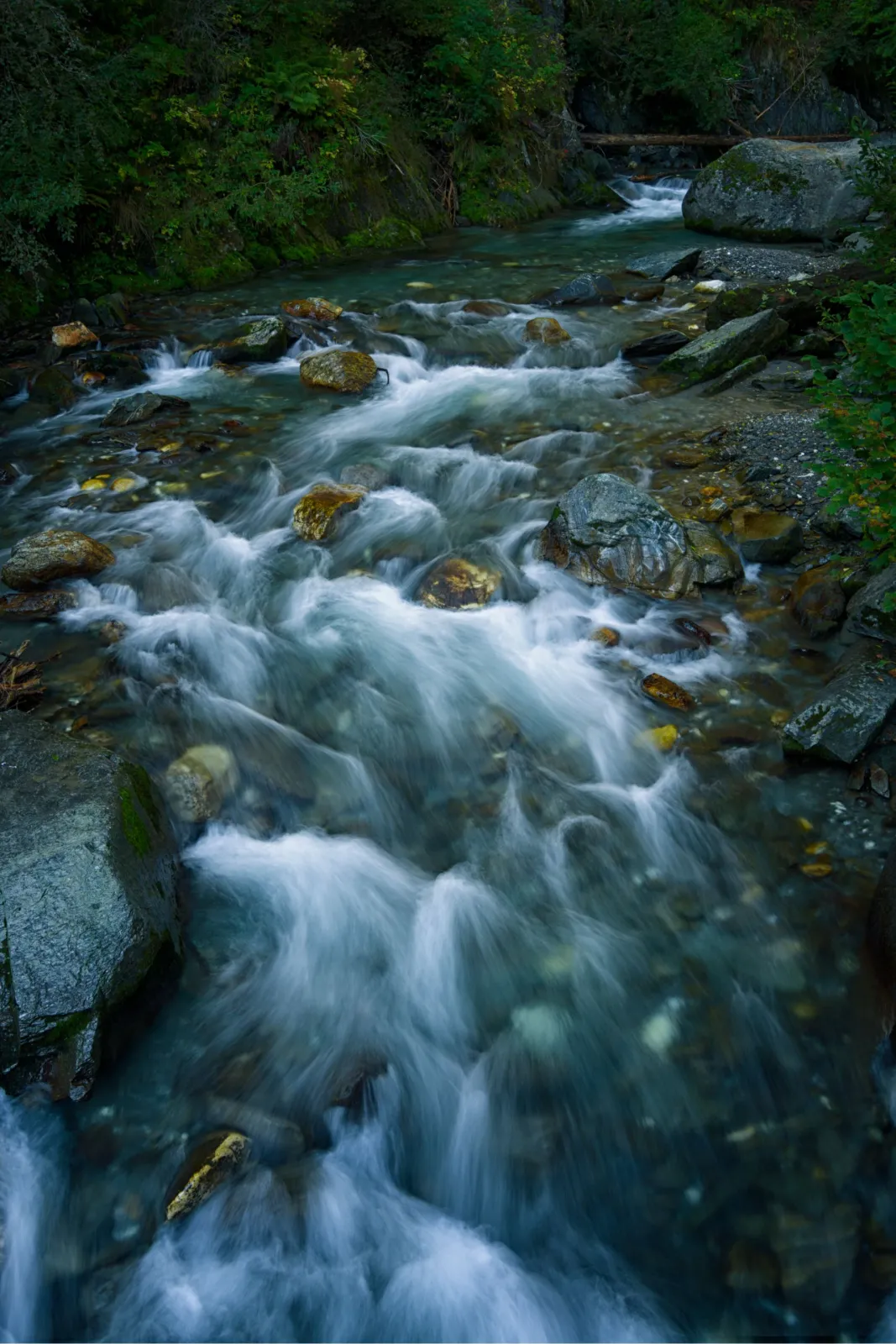
Canada gave the world its most legendary gold rush, the Klondike, and gold is still panned in its creeks every summer. Most of the activity is in British Columbia and the Yukon. Here is where to look and what the rules allow.
In brief
- The main areas: BC’s Fraser River, Cariboo and Atlin districts, and the Yukon’s Klondike.
- British Columbia sets aside recreational panning areas where hand panning is allowed without a mining title.
- Elsewhere, most good ground is under placer claims: you need the holder’s permission or your own title.
- Rules are set by each province or territory.
British Columbia
BC’s gold rushes began on the Fraser River in 1858 and moved north to the Cariboo, where Barkerville grew into a boomtown, now a heritage site. The Atlin district, near the Yukon border, is still known for coarse gold. The province designates recreational panning areas where hand tools such as a pan and shovel can be used without a Free Miner Certificate; outside them, prospecting requires a Free Miner Certificate and respect for existing claims. Check the provincial mineral titles service for current maps and rules.
The Yukon
The Klondike, around Dawson City, is the stuff of legend; its history is told in our guide to the Klondike Gold Rush. Placer mining is still active and most creeks are covered by claims, so you cannot simply pan wherever you like. Visitors can try panning at designated public sites around Dawson, and claim holders sometimes offer access. Check with the Yukon government and local visitor centers.
Elsewhere in Canada
Gold also occurs in streams in Ontario, Quebec and Nova Scotia, which had its own nineteenth-century rushes. Quantities are usually small and the same principles apply: check land status, claims and provincial rules.
Rules to respect
- Never prospect on an active claim without the holder’s permission.
- Stay out of national and provincial parks where mining is not allowed.
- Use hand tools only in recreational areas (see our gold panning kit guide).
- Protect fish habitat and restore the bank before you leave.
General principles are in our gold prospecting guide.
Getting started
Summer is the season: northern creeks are frozen or in flood much of the year. Learn the panning technique first, and consider a sluice box once you have a productive spot where its use is allowed.
To hold a solid piece of native gold, browse our natural gold nuggets.
Frequently asked questions
Do you need a licence to pan for gold in BC?
Not in designated recreational panning areas, using hand tools. Elsewhere, a Free Miner Certificate and respect for claims are required.
Can tourists pan for gold in the Klondike?
Yes, at designated public sites and with claim holders who offer access. Most creeks are claimed, so do not pan without checking.
Sources
- Government of British Columbia, Mineral Titles and recreational gold panning.
- Government of Yukon, placer mining.
- Parks Canada, Klondike National Historic Sites.